Essential Tools for Kitchen Gardening at Home: A Complete Beginner’s Guide
Discover essential tools for kitchen gardening at home. Learn which gardening tools beginners need to grow healthy vegetables and herbs easily. Kitchen gardening at home has become increasingly popular as more people seek fresh, chemical-free vegetables and herbs right from their own space. Whether you have a small balcony, terrace, backyard, or even a sunny window, kitchen gardening is a rewarding and sustainable practice. However, to ensure healthy plant growth and a successful harvest, having the right gardening tools is just as important as good seeds and soil.
In this comprehensive guide, we’ll explore the essential tools for kitchen gardening at home, how to use them, and why they matter. This article is perfect for beginners as well as experienced gardeners looking to organize or upgrade their gardening setup.
Why Having the Right Tools Matters in Kitchen Gardening
Using proper gardening tools:
- Saves time and effort
- Prevents damage to plants and soil
- Improves plant health and yield
- Makes gardening enjoyable and stress-free
Kitchen gardening doesn’t require heavy or expensive equipment. A few basic, well-chosen tools can make a huge difference in your gardening success.
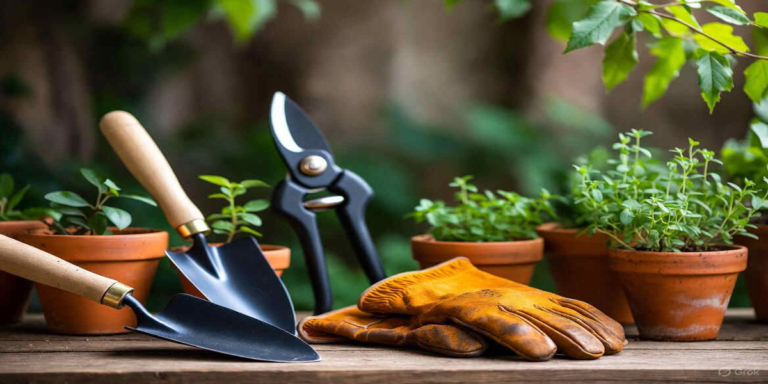
- Hand Trowel – The Most Basic Gardening Tool
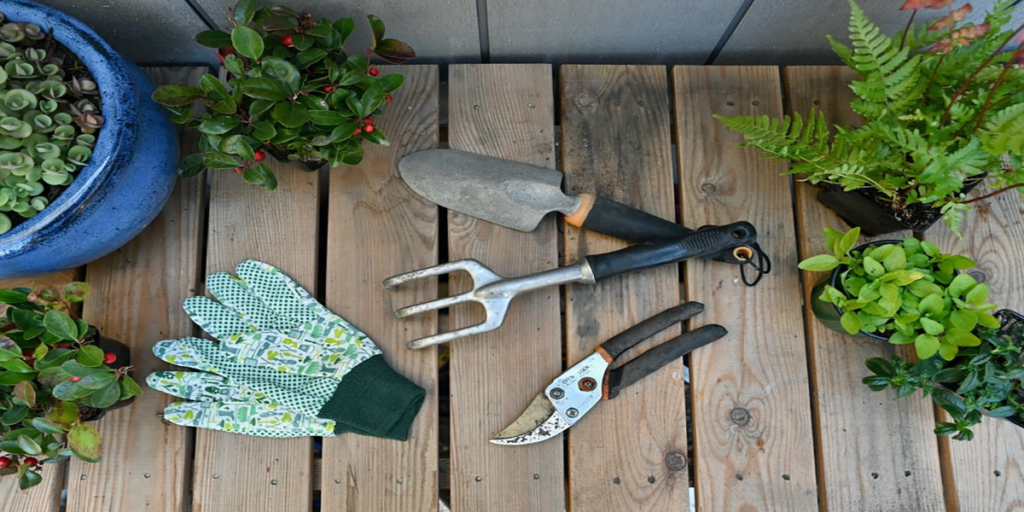
A hand trowel is one of the most essential tools for kitchen gardening.
Uses:
- Digging small holes for seeds and seedlings
- Transplanting saplings
- Mixing compost or fertilizers into soil
Tips for Choosing:
- Look for a sturdy metal blade
- Ergonomic handle for comfort
- Rust-resistant material
- Gardening Gloves – Protect Your Hands
Gardening gloves are often overlooked, but they are extremely important.
Benefits:
- Protect hands from thorns, insects, and sharp edges
- Prevent blisters and skin irritation
- Keep hands clean while handling soil and compost
Best Types:
- Cotton gloves for light work
- Rubber-coated gloves for watering and wet soil
- Thick gloves for thorny plants
- Watering Can or Garden Hose – Proper Watering Matters
Water is life for plants, and the right watering tool ensures they get it gently and evenly.
Options:
- Watering Can: Ideal for small spaces and potted plants
- Garden Hose with Spray Nozzle: Best for terraces or backyards
Why It’s Important:
- Prevents overwatering
- Ensures water reaches roots
- Reduces soil erosion
- Pruning Shears – For Healthy Plant Growth
Pruning shears (also called secateurs) help maintain plant health.
Uses:
- Cutting dead or diseased branches
- Harvesting vegetables and herbs
- Shaping plants for better growth
Choosing the Right One:
- Sharp stainless steel blades
- Comfortable grip
- Lock mechanism for safety
- Pots and Containers – The Foundation of Kitchen Gardening
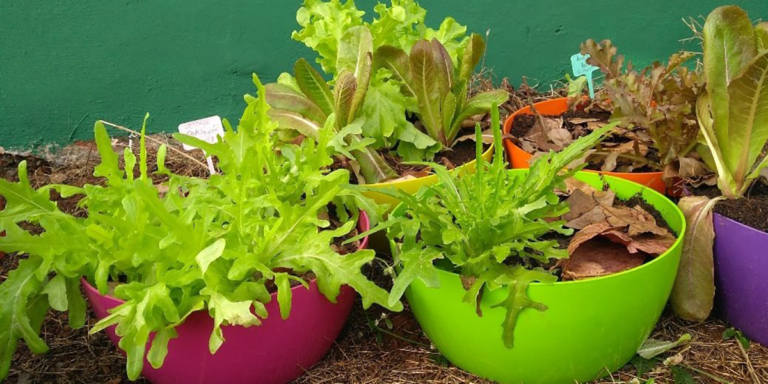
If you’re gardening in limited space, containers are essential.
Common Types:
- Clay pots
- Plastic containers
- Grow bags
- Recycled containers (buckets, bottles)
Tips:
- Ensure proper drainage holes
- Choose appropriate size for each plant
- Use food-grade plastic for edible plants
- Soil and Potting Mix Tools
Healthy soil leads to healthy plants.
Essential Tools:
- Soil mixing tray or tub
- Small shovel or spade
- Sieve for removing stones
Why It Matters:
- Helps prepare nutrient-rich soil
- Ensures good aeration and drainage
- Garden Fork – Loosening and Aerating Soil
A hand garden fork is useful for improving soil health.
Uses:
- Loosening compacted soil
- Mixing compost and manure
- Improving root penetration
This tool is especially useful for terrace and backyard gardens.
- Weeder – Keep Unwanted Plants Away
Weeds compete with your vegetables for nutrients and water.
Benefits of Using a Weeder:
- Removes weeds from the root
- Prevents regrowth
- Keeps garden tidy
Types:
- Hand weeder
- Hoe weeder
- Spray Bottle or Garden Sprayer
A spray bottle is a multipurpose tool in kitchen gardening.
Uses:
- Applying organic pesticides
- Mist watering for seedlings
- Foliar feeding
Tip:
Always use separate sprayers for fertilizers and pest control.
- Compost Bin – Turn Waste into Nutrition
Composting is an essential part of sustainable kitchen gardening.
Benefits:
- Reduces kitchen waste
- Produces natural fertilizer
- Improves soil structure
Options:
- Plastic compost bins
- Clay composters
- DIY compost pits
- Seedling Tray – For Growing Healthy Plants from Seeds
Seedling trays help in controlled germination.
Advantages:
- Higher seed germination rate
- Easy transplanting
- Saves space
Seed trays are perfect for growing tomatoes, chillies, spinach, and herbs.
- Garden Labels and Markers
Garden labels help you stay organized.
Why You Need Them:
- Identify plants easily
- Track sowing dates
- Useful for beginners
You can use plastic labels, wooden sticks, or DIY tags.
- Measuring Tools – Precision Matters
Some plants require specific nutrient ratios.
Helpful Tools:
- Measuring cups for fertilizers
- Soil pH meter
- Moisture meter
These tools help prevent over-fertilization and water stress.
- Shade Net or Garden Cover
Protect your plants from extreme weather.
Benefits:
- Protects from harsh sunlight
- Shields from heavy rain
- Prevents pest attacks
Especially useful in Indian summers.
- Basic Pest Control Tools (Organic)
Kitchen gardening should always be chemical-free.
Essential Items:
- Neem oil spray
- Sticky traps
- Insect netting
These tools help maintain a healthy, organic garden.
How to Choose the Right Kitchen Gardening Tools
When buying gardening tools:
- Choose quality over quantity
- Buy rust-resistant materials
- Start with basics and upgrade gradually
- Consider your available space
Tips for Maintaining Gardening Tools
- Clean tools after every use
- Dry metal parts to avoid rust
- Sharpen blades regularly
- Store tools in a dry place
Proper maintenance increases tool lifespan and ensures safe usage.
Benefits of Kitchen Gardening with the Right Tools
- Fresh, pesticide-free vegetables
- Reduced grocery expenses
- Stress relief and mental wellness
- Sustainable and eco-friendly lifestyle
Kitchen gardening at home is a fulfilling journey, and having the essential tools for kitchen gardening makes it easier and more enjoyable. You don’t need expensive equipment—just the right tools, basic knowledge, and a passion for growing your own food.
Whether you’re starting with a few pots on your balcony or planning a full terrace garden, investing in these basic gardening tools will set you up for long-term success. Start small, stay consistent, and enjoy the joy of harvesting fresh vegetables from your own home garden.
Frequently Asked Questions About This Post
What are the basic tools required for kitchen gardening at home?
The basic tools for kitchen gardening include a hand trowel, gardening gloves, watering can, pruning shears, pots or grow bags, good-quality soil, and compost. These tools are enough to start growing vegetables and herbs at home.
Can I start kitchen gardening without expensive tools?
Yes, kitchen gardening does not require expensive tools. Beginners can start with simple hand tools and even use recycled containers. As your garden grows, you can gradually add more tools if needed.
Which tools are best for balcony or terrace gardening?
For balcony or terrace gardening, lightweight tools such as hand trowels, pruning shears, spray bottles, grow bags, watering cans, and seedling trays work best. These tools are easy to handle and space-saving.
How important is composting in kitchen gardening?
Composting is very important in kitchen gardening as it provides natural nutrients to plants, improves soil quality, and reduces kitchen waste. A compost bin helps maintain an organic and eco-friendly garden.
Are organic pest control tools safe for edible plants?
Yes, organic pest control tools like neem oil spray, sticky traps, and insect nets are safe for edible plants. They protect crops without harmful chemicals, making vegetables safe for consumption.
How do I maintain my gardening tools?
Gardening tools should be cleaned after use, dried properly to avoid rust, and stored in a dry place. Sharp tools like pruning shears should be sharpened regularly for effective use.