Low-Maintenance Indoor Plants for Busy People: The Ultimate Guide to Stress-Free Houseplants
Life can get incredibly busy. Between work, home responsibilities, social commitments, and everything else in between, maintaining indoor plants may seem overwhelming. But the truth is—you don’t need to spend hours watering, pruning, or fussing over plants to enjoy a refreshing, green home.
Some plants are naturally hardy, forgiving, and capable of thriving even when you occasionally forget to water them.
This article dives deep into the best low-maintenance indoor plants, how to care for them with minimal effort, and how these plants can bring beauty, calmness, and fresh air into your living space—all without demanding much of your time. If you’re a beginner or a busy professional, this guide is perfect for you.
Why Choose Low-Maintenance Indoor Plants?
Indoor plants do more than just decorate your room—they bring several benefits:
- Improve Air Quality
Many indoor plants act as natural air purifiers, absorbing toxins, increasing oxygen levels, and reducing carbon dioxide. Even if you’re seldom home, these plants work silently in the background.
- Reduce Stress
Studies show that greenery helps calm the mind, reduce anxiety, and improve overall mood. Coming home to a peaceful, fresh space after a busy day feels rejuvenating.
- Minimal Effort Needed
Low-maintenance plants require minimal watering, indirect light, and very little pruning or repotting—perfect for a hectic schedule.
- Suitable for Every Space
Whether you live in a bright apartment or a slightly dim home, there’s a plant that fits your space and needs.
Top Low-Maintenance Indoor Plants for Busy People
Below is a curated list of indoor plants that practically thrive on neglect. These plants can handle low light, miss a watering session or two, and still grow beautifully.
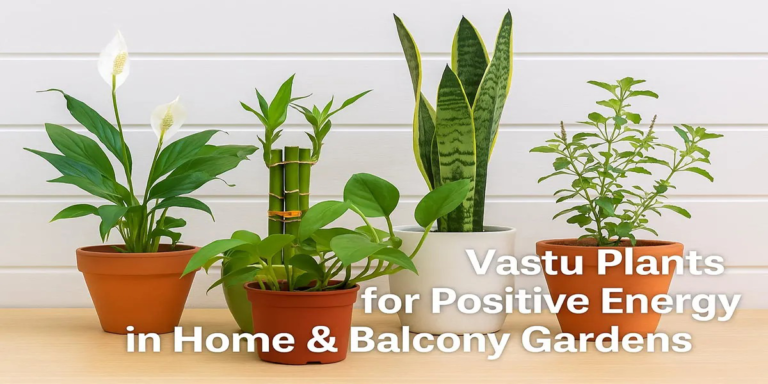
- Snake Plant (Sansevieria / Mother-in-Law’s Tongue)
Why It’s Great for Busy People
The Snake Plant is one of the toughest indoor plants. It grows in low light, tolerates irregular watering, and survives in almost any environment.
Care Requirements
- Light: Low to bright indirect light
- Water: Once every 2–3 weeks
- Humidity: Normal room humidity
- Maintenance: Wipe leaves occasionally to remove dust
Benefits
- Removes toxins like formaldehyde and benzene
- Releases oxygen at night—great for bedrooms
- Very slow-growing but stays vibrant year-round
This plant is almost impossible to kill and ideal for beginners.
- ZZ Plant (Zamioculcas zamiifolia)
Why It’s Great
The ZZ Plant is a popular choice because it thrives in deep shade and requires very little water. Its glossy leaves give any room a polished, stylish look.
Care Requirements
- Light: Low to medium light
- Water: Once every 3–4 weeks
- Humidity: Moderate, but not essential
Benefits
- Extremely drought-resistant
- Excellent choice for office spaces
- Looks luxurious without any extra care
For someone who travels often, the ZZ plant is a lifesaver.
Why It’s Great
Pothos is fast-growing, adaptable, and survives in low or bright light. Even if you forget to water it, it will recover quickly after a good soak.
Care Requirements
- Light: Low to bright indirect
- Water: Once every 10–12 days
- Humidity: Prefers moderate but tolerates dry air
Benefits
- Cleans indoor air effectively
- Can trail beautifully from shelves or hanging pots
- Easy to propagate
It’s perfect for adding greenery to corners or bookshelves with minimal effort.
- Peace Lily (Spathiphyllum)
Why It’s Great
Peace lilies are elegant and known for improving air quality. They require slightly more water than succulents but signal when they’re thirsty by drooping their leaves.
Care Requirements
- Light: Low to medium light
- Water: Once weekly (more during summer)
- Humidity: Prefers higher humidity
Benefits
- Beautiful white blooms
- Excellent at removing household pollutants
- Very forgiving even if under-watered
Good for people who want a flowering indoor plant with minimal demands.
- Aloe Vera
Why It’s Great
Aloe Vera is both a medicinal and low-maintenance plant. Its gel is useful for burns and skincare, and the plant itself survives drought like a champion.
Care Requirements
- Light: Bright indirect to mild direct light
- Water: Once every 3 weeks, even less in winter
- Humidity: Low, prefers dry air
Benefits
- Healing properties
- Hardy and long-living
- Beautiful rosette shape
Perfect for sunny windowsills but still needs minimal care.
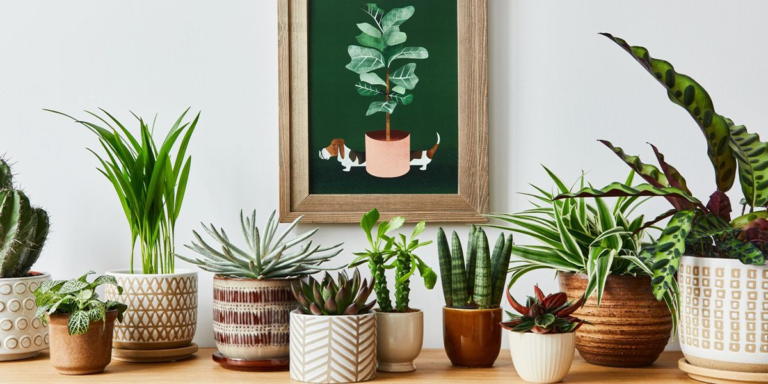
- Spider Plant (Chlorophytum comosum)
Why It’s Great
Spider plants adapt to many conditions and are known for their baby “pups,” which can be propagated easily. They’re among the easiest indoor plants to grow.
Care Requirements
- Light: Medium to bright indirect
- Water: Once a week or when soil dries
- Humidity: Tolerates dry air but thrives in some humidity
Benefits
- Natural air purifier
- Great for hanging planters
- Safe for pets
A fun and decorative plant for busy households.
- Jade Plant (Crassula ovata)
Why It’s Great
Jade plants are succulents that store water, making them incredibly drought-tolerant. They grow slowly and live for years with minimal attention.
Care Requirements
- Light: Bright indirect or morning sunlight
- Water: Once every 2–3 weeks
- Humidity: Low
Benefits
- Symbol of good luck and prosperity
- Low maintenance
- Shiny, plump leaves that look attractive year-round
Ideal for office desks and indoor corners with good light.
- Rubber Plant (Ficus elastica)
Why It’s Great
Rubber plants make a bold statement with their large glossy leaves but require surprisingly little care.
Care Requirements
- Light: Medium to bright indirect
- Water: Every 10–12 days
- Humidity: Average
Benefits
- Low maintenance but looks luxurious
- Air-purifying
- Grows into a tall indoor tree with time
A perfect plant for making indoor spaces look premium without adding workload.
- Philodendron
Why It’s Great
Philodendrons come in climbing and non-climbing varieties, all extremely easy to grow and very resilient.
Care Requirements
- Light: Medium to low
- Water: Once every 1–2 weeks
- Humidity: Normal room humidity
Benefits
- Heart-shaped, lush leaves
- Adapts to any indoor environment
- Low maintenance and beginner-friendly
An excellent plant for living rooms and faintly lit corners.
- Lucky Bamboo
Why It’s Great
Lucky Bamboo grows incredibly fast and thrives in water rather than soil. This eliminates many care requirements, making it ideal for someone who forgets watering schedules.
Care Requirements
- Light: Indirect light only
- Water: Change water every 2–3 weeks
- Humidity: Normal
Benefits
- Symbol of positive energy and good fortune
- Very easy to maintain
- Decorative and elegant
Perfect for desks, offices, or center tables.
Basic Care Tips for Low-Maintenance Plants
Even though these plants don’t demand much, following a few simple care tips can help them thrive longer and healthier.
- Avoid Overwatering
Most plant deaths occur due to overwatering, not underwatering. Always check the soil before watering. If the top 1–2 inches are dry, then water.
- Use Well-Draining Soil
Plants like succulents, snake plants, and ZZ plants prefer soil that drains quickly. This prevents root rot and fungal issues.
- Give Them Proper Light
While many plants survive in low light, understand their preferred lighting:
- Low-light plants: ZZ plant, peace lily, snake plant
- Bright-light plants: Aloe vera, jade plant
- Medium-light plants: Pothos, philodendron, rubber plant
Place them accordingly for best results.
- Dust the Leaves Occasionally
Dust blocks sunlight absorption. A simple wipe with a damp cloth every few weeks keeps leaves shiny and healthy.
- Choose the Right Pot
Always use pots with drainage holes. This is crucial for preventing overwatering and root rot.
- Rotate the Plants
Plants lean toward light. Rotating them once a month helps maintain even growth on all sides.
Best Indoor Plants for Low Light
If you live in an apartment with little sunlight, here are the best options:
- Snake plant
- ZZ plant
- Peace lily
- Pothos
- Philodendron
These plants thrive even in corners without windows.
Low-Maintenance Plants for People Who Travel Often
Travel frequently? These plants can survive long gaps between watering:
- ZZ plant (can go a month without water)
- Snake plant
- Aloe vera
- Jade plant
- Lucky bamboo
Put them in a well-ventilated room and they’re good to go.
Benefits of Keeping Indoor Plants in a Busy Lifestyle
- Enhances Productivity
Studies show that indoor plants boost focus and productivity—great for home offices.
- Boosts Mood and Reduces Stress
Returning home to greenery makes your home feel alive and peaceful.
- Natural Decoration
Plants elevate the aesthetic of any room effortlessly and affordably.
- Promotes Mindfulness
Caring for plants—watering, pruning, cleaning—brings a sense of calm, even if it’s just a few minutes a week.
Choosing low-maintenance indoor plants is the simplest way to enjoy the beauty of nature without dedicating a lot of time or effort. Whether you’re a frequent traveler, a busy professional, or someone simply new to plant care, these indoor plants will thrive happily with minimal attention.
From the hardy snake plant to the forgiving pothos and elegant peace lily, you’ll find a plant that suits your schedule and lifestyle. Add a few of these green companions to your home and enjoy the freshness, beauty, and calmness they bring—naturally and effortlessly.
If you’ve been hesitating to add plants to your home thinking they’re too demanding—now you know that some plants practically take care of themselves!
Which plant is best for indoors?
The Snake Plant (Sansevieria) is considered one of the best plants for indoors because it thrives in almost any environment. It grows well in low light, tolerates irregular watering, and requires very little maintenance. This plant also purifies the air by removing toxins and releasing oxygen at night. Its upright, stylish leaves make it a great decorative choice for any room. Overall, it’s perfect for beginners and busy people alike.
Which plant gives 24 hours of oxygen?
No plant technically releases oxygen 24 hours nonstop, but some plants release oxygen even at night, making them great for indoor air quality. These include Snake Plant, Aloe Vera, Areca Palm, Tulsi (Holy Basil), and Peace Lily, which use special processes like CAM or efficient respiration. The Snake Plant is especially popular because it continues producing oxygen in low-light conditions. These plants help keep the indoor environment fresh throughout the day and night. However, they still need light during the day to photosynthesize and produce oxygen.
Which plant removes negative energy?
The Peace Lily is commonly believed to remove negative energy and create a calm, positive atmosphere indoors. Its elegant white flowers and soothing green leaves are associated with peace, purity, and emotional balance. Many people keep it at home or in the office to promote harmony and reduce stress. Along with its symbolic benefits, it also purifies the air by removing harmful toxins. Overall, the Peace Lily is considered one of the best plants for attracting positivity and improving indoor vibes.