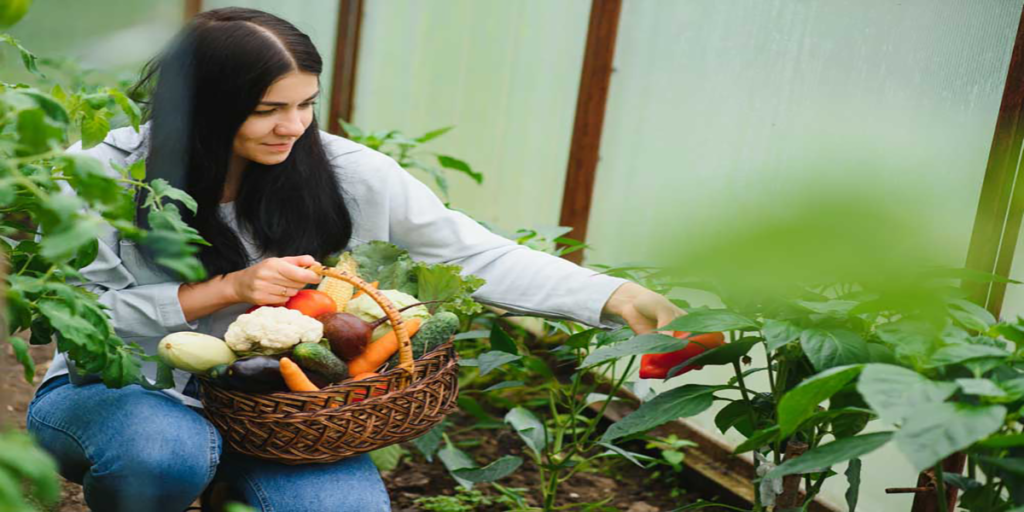
Kitchen Gardening for Beginners: How to Start a Vegetable Garden at Home
Kitchen gardening is one of the most rewarding and practical ways to bring freshness into your daily life. Whether you live in a small apartment or have a spacious backyard, growing your own vegetables at home is easier than you think. With the right approach, even beginners can create a thriving garden that provides healthy, organic produce all year round.
🌱 Why Start a Kitchen Garden?
Starting a kitchen garden offers multiple benefits beyond just fresh vegetables:
- Healthier food: You control what goes into your plants—no harmful chemicals or pesticides.
- Cost-effective: Save money on grocery bills by growing your own produce.
- Stress relief: Gardening is a natural way to relax and connect with nature.
- Sustainable living: Reduce your carbon footprint by growing locally.
🏡 Step-by-Step Guide to Starting a Kitchen Garden
- Choose the Right Location
Select a spot that receives at least 5–7 hours of sunlight daily. This could be:
- Balcony
- Terrace
- Backyard
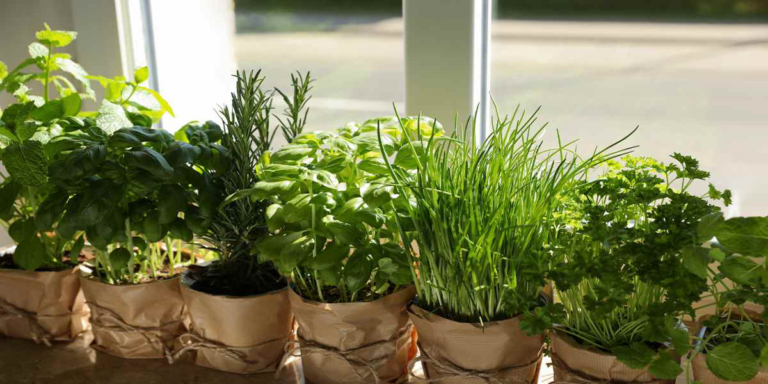
- Window sill
Good sunlight is essential for plant growth and healthy yield.
- Decide What to Grow (Beginner-Friendly Vegetables)
Start with easy-to-grow vegetables such as:
- Tomato
- Spinach
- Coriander
- Mint
- Green chilies
- Radish
These plants grow quickly and require minimal care, making them perfect for beginners.
- Select Containers or Ground Space
If you don’t have land, don’t worry! You can use:
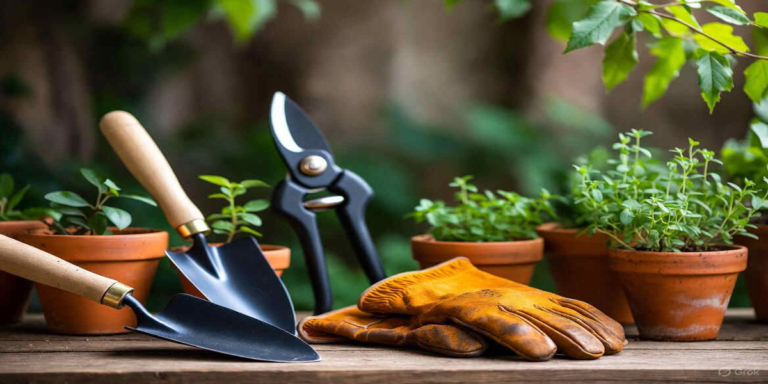
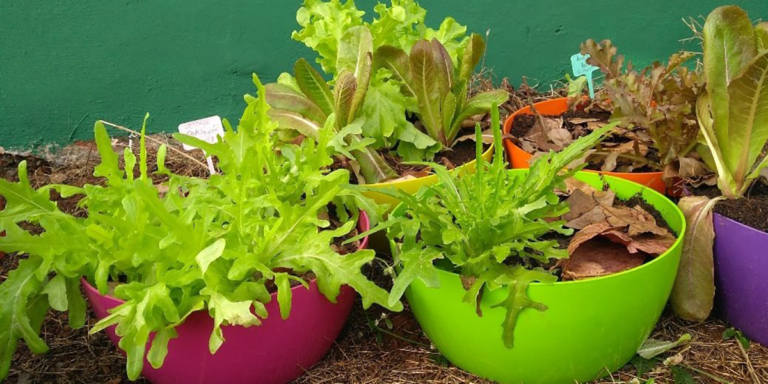
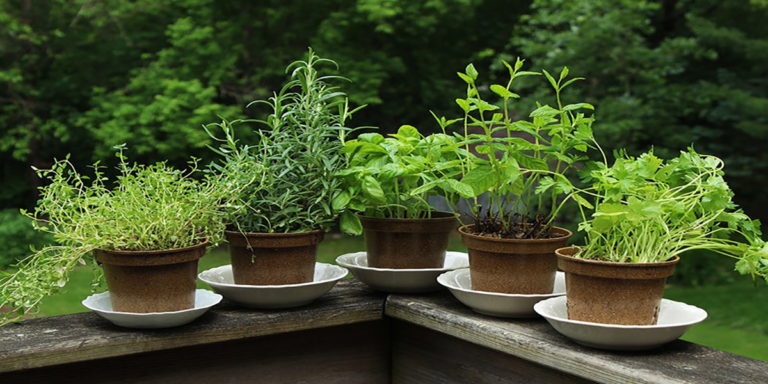
- Pots
- Grow bags
- Recycled containers (bottles, buckets)
Ensure all containers have drainage holes to prevent waterlogging.
- Use the Right Soil Mix
Healthy soil is the foundation of a successful kitchen garden. Use a mix of:
- Garden soil
- Compost (organic fertilizer)
- Sand or cocopeat
A good ratio is 40% soil + 40% compost + 20% sand/cocopeat.
- Start Planting Seeds or Saplings
- Sow seeds at the correct depth (usually 1–2 cm).
- Water gently after planting.
- Keep the soil moist but not soggy.
Beginners can also start with ready saplings for faster results.
- Watering and Care
- Water plants early morning or evening
- Avoid overwatering
- Remove weeds regularly
- Provide support for climbing plants like tomatoes
Consistency is key to healthy plant growth.
- Add Organic Fertilizers
Feed your plants every 10–15 days using:
- Compost
- Vermicompost
- Kitchen waste compost
This boosts plant growth and improves soil quality.
- Pest Control (Natural Methods)
Avoid chemical pesticides. Instead, use:
- Neem oil spray
- Soap water solution
- Garlic-chili spray
These natural methods protect plants without harming health.
🌿 Tips for Successful Kitchen Gardening
- Start small and expand gradually
- Use seasonal vegetables for better yield
- Rotate crops to maintain soil fertility
- Keep a gardening routine
- Observe plants regularly for any issues.
Kitchen gardening is a simple yet powerful step towards a healthier and more sustainable lifestyle. With patience, care, and a little effort, anyone can grow fresh vegetables at home—even without prior experience. Start small, stay consistent, and soon you’ll enjoy the satisfaction of harvesting your own organic produce right from your kitchen garden.
Looking for smart and stylish kitchen solutions? 🍽️
If you enjoy gardening and healthy living, your kitchen deserves the same care too!
Explore our latest kitchenware blogs where you’ll find useful tips, modern tools, and creative ideas to upgrade your cooking space. From time-saving gadgets to eco-friendly kitchen essentials, we’ve got everything to make your daily cooking easier and more enjoyable.
👉 Don’t miss out—visit our kitchenware section now and discover something new for your home:
www.blog.lifemaker.co.in
Make your kitchen as fresh and inspiring as your garden! 🌿
Frequently Asked Questions About This Post
What is kitchen gardening?
Kitchen gardening is the practice of growing vegetables, herbs, and fruits at home for daily consumption.
Which vegetables are best for beginners?
Beginners can start with tomatoes, spinach, coriander, mint, radish, and chilies as they are easy to grow and maintain.
How much sunlight is required for a kitchen garden?
Most vegetables need 5–7 hours of direct sunlight daily for proper growth.
Can I start a kitchen garden in a small space?
Yes, kitchen gardening can be done in small spaces like balconies, terraces, or even window sills using pots or containers.
How often should I water my plants?
Water your plants once a day or when the topsoil feels dry. Avoid overwatering as it can damage roots.
What is the best soil mix for kitchen gardening?
A mix of garden soil, compost, and cocopeat or sand works best for healthy plant growth
How do I protect plants from pests naturally?
Use neem oil spray, soap water, or homemade garlic-chili spray to control pests naturally.
Is kitchen gardening expensive?
No, it is budget-friendly. You can start with minimal investment using recycled containers and homemade compost.