Mental Wellness: The Mental Health Benefits of Spending Time with Plants:
In today’s fast-paced world, stress, anxiety, and burnout have become part of daily life. Whether it’s work pressure, digital overload, or the constant rush to manage personal responsibilities, many people struggle to find a moment of calm. While therapy, meditation, and exercise are commonly suggested ways to improve mental health, one powerful and often overlooked solution lies much closer to nature—spending time with plants.
Plants have a remarkable ability to transform our mood, improve our emotional well-being, and create a peaceful environment. Whether you live in a small apartment, a busy city, or a spacious home, adding greenery can bring immediate and long-lasting mental wellness benefits. From reducing stress to increasing creativity, the presence of plants contributes to a happier mind and a healthier life.
This article explores how plants positively affect mental health, the science behind it, the types of plants best suited for mental wellness, and simple ways to reconnect with nature—no matter how busy your schedule may be.
Why Do Plants Have Such a Strong Impact on Mental Wellness?
Plants are more than just decorative objects. They are living beings that interact with their environment, respond to sunlight, and bring a sense of life and movement to indoor spaces. Here’s why humans instinctively respond to them:
- Humans Are Naturally Connected to Nature
According to the “biophilia hypothesis,” humans have an inherent desire to connect with nature. Throughout history, we’ve lived on land, surrounded by trees, greenery, and natural landscapes. Even today, our bodies and minds recognize nature as a source of comfort, safety, and balance.
- Plants Trigger Positive Emotions
Greenery stimulates gentle, positive feelings such as tranquility, hope, and relaxation. Studies show that simply looking at the color green or seeing natural patterns reduces stress hormones.
- Caring for Plants Offers a Sense of Purpose
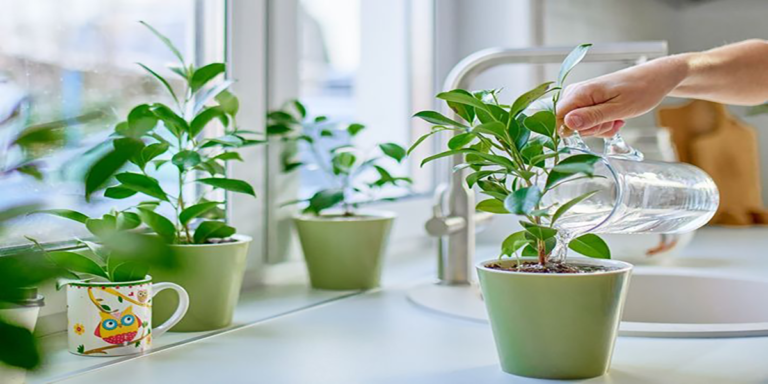
Watering, pruning, and nurturing plants give people a small but meaningful sense of responsibility that promotes emotional stability and mindfulness.
- Plants Encourage Mindfulness
The act of touching soil, observing new growth, or noticing small changes allows us to slow down and be present—something increasingly rare in our busy lives.
Proven Mental Wellness Benefits of Spending Time with Plants
Let’s explore the most powerful psychological and emotional benefits of interacting with plants.
- Plants Reduce Stress and Anxiety
One of the most well-documented benefits of plants is their ability to lower stress levels. Several scientific studies show that spending even a few minutes around plants can reduce the levels of cortisol, the stress hormone.
Why This Happens
- Plants create a calming environment through their natural colors and soft textures.
- Observing greenery signals to the brain that the environment is safe and relaxing.
- Touching soil releases a natural bacteria called Mycobacterium vaccae, which is known to enhance serotonin production—the “happy hormone.”
What This Means for You
If you feel anxious after a long day, simply sitting near a plant or taking a short walk in a garden can calm your mind. Indoor plants like Peace Lily, Snake Plant, and Ferns are especially known for creating a soothing atmosphere.
- Plants Improve Mood and Emotional Well-Being
Spending time with plants naturally boosts mood and spreads positivity. Many gardeners call plants “natural antidepressants”—and this isn’t an exaggeration.
How Plants Lift Your Mood
- Being around greenery increases dopamine and serotonin levels.
- Flowers add color, which influences emotions. Bright, vibrant colors often bring a sense of joy.
- Plants promote relaxation, which improves overall emotional balance.
Real-Life Impact
People who keep indoor plants report:
- Feeling happier at home
- Experiencing fewer mood swings
- Sleeping better
- Feeling more optimistic
Even a small desk plant can brighten your day.
- Plants Enhance Concentration and Productivity
Indoor plants are not only good for mental health but also for improving focus, memory, and creativity. This is why corporate offices, schools, and coworking spaces increasingly include greenery.
Why Plants Improve Focus
- They reduce background noise, helping you stay mentally clear.
- Plants like Spider Plant, Rubber Plant, and Areca Palm improve air quality, which enhances brain function.
- Their natural presence reduces mental fatigue.
Best Plants for Workspaces
- Snake Plant
- Pothos
- ZZ Plant
- Peace Lily
- Lucky Bamboo
Placing these plants on your work desk or in your home office can help you stay sharper and more productive.
- Plants Promote Mindfulness and Relaxation
Mindfulness is the practice of staying present and aware. Plants naturally support this state of mind.
How Plants Encourage Mindfulness
- Gardening tasks like watering, repotting, and pruning require gentle focus.
- Observing new leaves or growth trains your mind to appreciate small details.
- The natural rhythms of plants—growth, blooming, resting—remind us to slow down.
Being around plants becomes a form of meditation, helping you stay calm and grounded.
- Plants Reduce Feelings of Loneliness
For many people, plants provide a comforting sense of companionship. They grow, respond to care, and bring life into otherwise empty spaces.
Why Plants Help with Loneliness
- They provide routine and responsibility.
- They add life and movement to your environment.
- Many people talk to their plants—and studies show this can actually reduce feelings of isolation.
Especially for elderly people or individuals living alone, plants create emotional warmth and connection.
- Plants Boost Creativity and Inspiration
Nature has always influenced creativity. Writers, artists, designers, and musicians often use plants as inspiration for their work.
How Plants Enhance Creativity
- The color green stimulates creative thinking.
- Natural shapes and patterns encourage imagination.
- Plants make your environment visually pleasing, which sparks new ideas.
If your creative energy feels blocked, try adding a few indoor plants to your workspace.
- Plants Improve Air Quality, Supporting Mental Clarity
Clean air is essential for a healthy brain. Many indoor plants naturally filter pollutants, absorb toxins, and release oxygen.
Common Indoor Pollutants Removed by Plants
- Formaldehyde
- Benzene
- Toluene
- Carbon monoxide
Mental Wellness Benefits of Cleaner Air
- Improved sleep
- Reduced headaches
- Better cognitive function
- More stable moods
Plants like Areca Palm, Rubber Plant, Peace Lily, and Snake Plant are excellent natural air purifiers.
- Gardening Helps Reduce Symptoms of Depression
Gardening therapy (also called horticultural therapy) is used in hospitals, rehabilitation centers, and mental health programs worldwide.
Why Gardening Helps
- It encourages physical activity, which releases endorphins.
- It creates a sense of achievement when plants grow or bloom.
- Being outdoors exposes you to sunlight, which increases vitamin D.
- It improves sleep patterns.
Even small gardening activities like planting herbs or watering pots can greatly influence emotional wellness.
Types of Plants That Support Mental Wellness
While all plants have benefits, some are particularly known for boosting emotional well-being.
- Peace Lily
Promotes calmness, reduces stress, purifies air.
- Snake Plant
Low maintenance, improves air quality, offers nighttime oxygen.
- Aloe Vera
Healing, soothing, great for bright spaces.
- Lavender
Aromatherapy benefits, reduces anxiety and insomnia.
- Jasmine
Improves mood through natural scent, enhances sleep quality.
- Pothos
Easy care, visually soothing, ideal for beginners.
- Areca Palm
Highly efficient air purifier, creates a fresh atmosphere.
- Boston Fern
Adds humidity and freshness, relaxing to the eyes.
Choosing a mix of these plants can create a peaceful, healing indoor environment.
Simple Ways to Spend More Time with Plants
You don’t need a big garden or hours of free time. Here’s how to integrate plants into your daily routine effortlessly.
- Start Your Day with a Plant Check
Spend 2–3 minutes observing your plants in the morning. This builds mindfulness and emotional bonding.
- Add Plants to Your Workspace
A small plant on your desk can boost productivity and reduce stress.
- Grow a Mini Kitchen Garden
Try growing herbs like mint, coriander, or basil. The joy of seeing them grow is incredibly uplifting.
- Create a Plant Corner
Dedicate one area of your home as a mini indoor garden with 3–5 plants.
- Take Walks in Nature
Even a 10-minute walk in a park can refresh your mind instantly.
- Join Gardening Communities
Connecting with other plant lovers encourages positivity and reduces loneliness.
- Try Simple Gardening Activities
Repotting, pruning, and watering offer therapeutic benefits.
How Plants Enhance Mental Health in Different Age Groups
Plants positively impact people across all generations.
For Children
- Improve concentration
- Reduce hyperactivity
- Encourage responsibility
- Support emotional development
For Adults
- Reduce stress
- Improve productivity
- Promote relaxation
- Enhance mood
For Senior Citizens
- Reduce loneliness
- Improve cognitive function
- Provide gentle physical activity
- Increase happiness
Plants truly are universal healers.
Spending time with plants is one of the simplest and most effective ways to support mental health. Whether indoors or outdoors, greenery brings calmness, joy, balance, and harmony into your life. From reducing stress and anxiety to improving focus and creativity, plants offer countless psychological benefits.
You don’t need a big garden or hours of free time—even a single plant on your desk can make a noticeable difference. As you nurture plants, they nurture you back, creating a beautiful cycle of growth and positivity.
In a world full of noise and constant pressure, plants remind us to slow down, breathe, and reconnect with the natural rhythms of life. Start small, add a few plants to your home, and experience the profound mental wellness they bring day by day.
Can plants help your mental health?
Yes, plants can definitely help improve your mental health. Spending time around greenery reduces stress, anxiety, and mental fatigue by creating a calming environment. Caring for plants also promotes mindfulness and gives a sense of purpose and routine. Indoor plants improve air quality, which supports clearer thinking and better mood. Overall, plants bring positivity, relaxation, and emotional balance into your daily life.
Which plant gives us mental?
It seems like you’re asking which plant gives us mental peace or supports mental well-being. A widely recommended plant for this is the Lavender plant. Lavender is known for its calming fragrance, which helps reduce stress, anxiety, and mental tension. Its soothing scent promotes relaxation and better sleep, making it helpful for emotional balance. Keeping a lavender plant at home creates a peaceful atmosphere and supports mental clarity. Overall, it is one of the best plants for boosting mental calmness and wellness.
Which plant reduces depression?
The Lavender plant is known to help reduce symptoms of depression due to its calming and mood-lifting fragrance. Its natural scent promotes relaxation, reduces anxiety, and improves sleep quality. Keeping lavender indoors creates a soothing environment that supports emotional well-being.