Feeling Stressed? Touching Soil Might Be the Natural Happiness Therapy You Need
In today’s fast-paced digital world, many people spend most of their time indoors, surrounded by screens and technology. However, something as simple as touching soil while gardening can have a powerful positive effect on your mood and mental well-being. Gardening is not only about growing plants; it is also about healing the mind, reducing stress, and improving happiness naturally.
Many gardeners often say they feel calm and refreshed after spending time in the garden. Interestingly, science supports this feeling. Research has shown that soil contains beneficial microbes that can actually influence your brain chemistry and make you feel happier.
In this article, we will explore why touching soil can literally make you happier, the science behind it, and how gardening can improve both mental and physical health.
The Science Behind Soil and Happiness
One of the most fascinating discoveries in recent years is the presence of a natural bacterium in soil called Mycobacterium vaccae. Scientists have found that this harmless microorganism can stimulate the production of serotonin, often referred to as the “happy chemical” in the brain.
Serotonin helps regulate mood, sleep, and feelings of well-being. When gardeners dig, plant, or simply touch soil with their hands, they may come into contact with these beneficial microbes. This interaction can help reduce anxiety, improve mood, and promote relaxation.
This explains why people often feel happier, calmer, and more satisfied after spending time gardening.
Gardening Reduces Stress and Anxiety
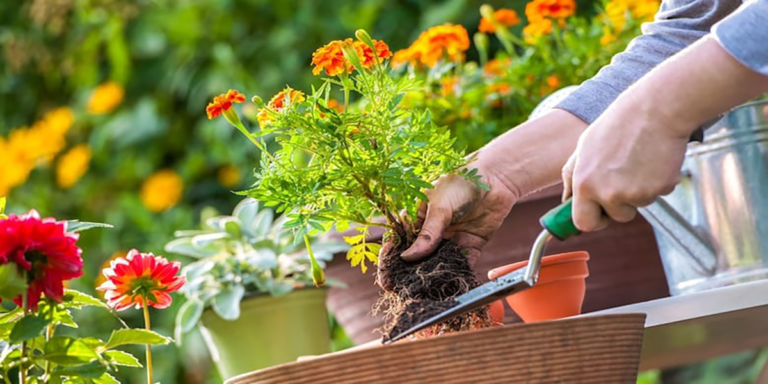
Another reason touching soil makes you happier is because gardening acts as a natural stress reliever. When you work with soil, your body tends to slow down and relax. The repetitive actions of digging, planting, watering, and pruning can create a meditative effect.
Studies have shown that spending time in nature can lower cortisol levels, the hormone responsible for stress. Even just 20–30 minutes of gardening can significantly improve your mood and help you feel more relaxed.
For people dealing with busy schedules or mental fatigue, gardening provides a peaceful escape from everyday pressures.
Connection With Nature Improves Mental Health
Humans have an innate connection with nature, often referred to as biophilia. This means our brains naturally respond positively to natural environments.
Touching soil, planting seeds, and watching plants grow can create a deep sense of satisfaction and purpose. Seeing a small seed transform into a thriving plant gives gardeners a feeling of achievement and emotional fulfillment.
Spending time outdoors also exposes your body to fresh air and natural sunlight, which can boost vitamin D levels and further enhance mood and energy levels.
Physical Activity Boosts Happiness
Gardening involves a surprising amount of physical activity. Digging, lifting pots, watering plants, and maintaining a garden all require movement. These activities act as light exercise, which is known to release endorphins, another type of “feel-good” hormone.
Unlike intense workouts, gardening is gentle and enjoyable. It allows people of all ages to stay active while doing something productive and relaxing.
Soil Contact Strengthens the Immune System
Regular exposure to natural soil microbes may also help strengthen the immune system. According to researchers, contact with soil can help the body build resistance against certain allergies and illnesses.
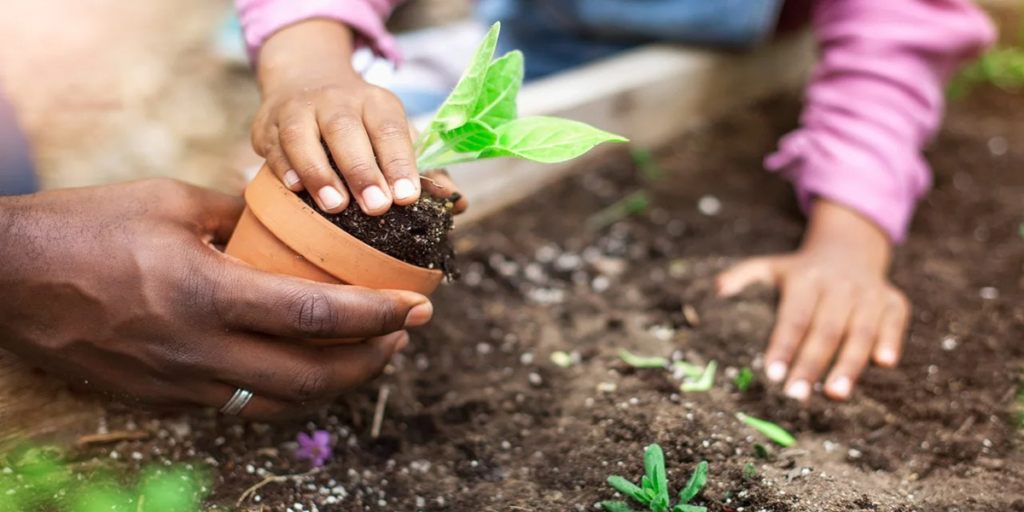
Children who spend time playing in soil or gardening often develop stronger immunity compared to those who spend most of their time indoors.
This means gardening not only supports mental wellness but also contributes to overall physical health.
Gardening Creates Mindfulness and Gratitude
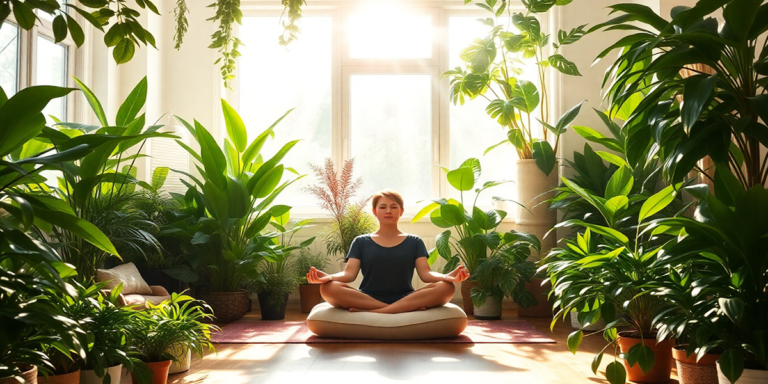
Touching soil and nurturing plants helps develop a sense of mindfulness. When you focus on caring for plants, your mind naturally shifts away from worries and negative thoughts.
Watching plants grow reminds us of the beauty and simplicity of nature. It encourages patience and appreciation for small achievements, such as seeing new leaves, flowers, or fruits.
Many gardeners say their garden becomes their personal therapy space, where they can relax, think clearly, and reconnect with themselves.
Simple Ways to Experience the Happiness of Soil
You don’t need a large garden to enjoy the benefits of touching soil. Here are some easy ways to start:
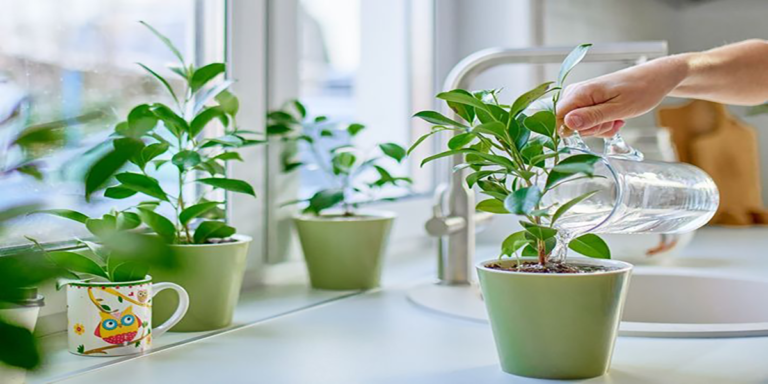
- Grow plants in small pots on your balcony or windowsill
• Start a kitchen herb garden
• Try indoor plants like jade plant, money plant, or spider plant
• Spend time repotting or caring for houseplants
• Volunteer in a community garden
Even a few minutes of gardening each day can make a noticeable difference in your mood.
Touching soil may seem like a simple activity, but it offers powerful benefits for both the mind and body. From boosting serotonin levels to reducing stress and improving immunity, gardening is a natural way to increase happiness and well-being.
In a world where stress and anxiety are increasingly common, reconnecting with nature through gardening can be one of the easiest and most effective ways to improve mental health.
So the next time you feel overwhelmed, step outside, dig your hands into the soil, and let nature work its magic.
Frequently Asked Questions About This Post
Can touching soil really make you happier?
Yes. Soil contains beneficial microbes such as Mycobacterium vaccae that may stimulate serotonin production in the brain, which can improve mood and promote happiness.
How does gardening help reduce stress?
Gardening encourages relaxation, physical activity, and connection with nature, which helps reduce cortisol levels and promotes mental calmness.
How much time should I spend gardening to feel happier?
Even 20–30 minutes of gardening daily can improve mood and reduce stress levels.
Do indoor plants provide the same mental health benefits?
Yes. Caring for indoor plants can still promote relaxation, mindfulness, and emotional well-being.
Is gardening good for children?
Absolutely. Gardening helps children learn about nature, improves immunity through soil exposure, and encourages physical activity.
What are the best plants for beginner gardeners?
Beginner-friendly plants include snake plant, spider plant, jade plant, money plant, aloe vera, and herbs like mint and basil.