Beginner’s Guide to Understanding Plants Requirements
Growing healthy, vibrant plants starts with understanding three essential building blocks: light, water, and soil. Whether you’re caring for indoor plants or maintaining a lush outdoor garden, getting these basics right can make all the difference. Here’s a simple guide to help you create the perfect environment for your plants to thrive.
- Light: The Fuel for Growth
Light is the primary energy source for plants. Without enough light, plants become weak, leggy, and pale.
Types of Light
Direct Sunlight: Best for sun-loving plants like succulents, cacti, hibiscus, and roses. These plants need bright, intense light for most of the day.
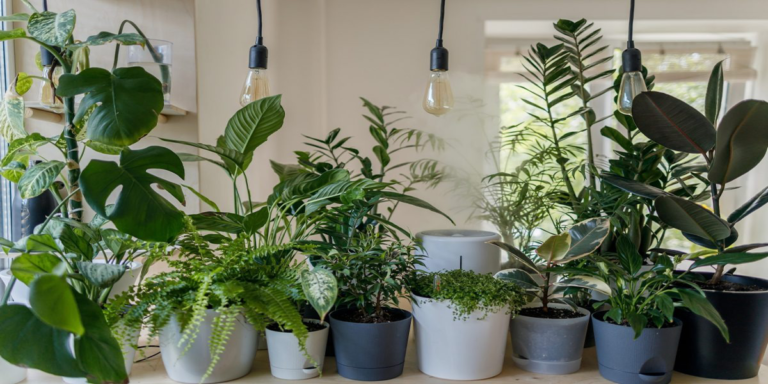
Indirect/Filtered Light: Ideal for indoor plants like pothos, snake plants, ferns, and peace lilies. They thrive in bright spaces but cannot tolerate long hours of harsh sunlight.
Low Light: Suitable for plants such as ZZ plants and some indoor palms that can survive in shaded corners with minimal natural light.
Tips
Rotate plants regularly so all sides receive equal light.
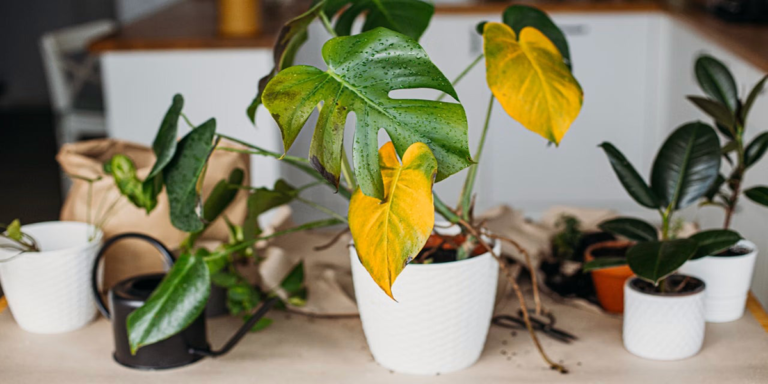
Watch for signs: yellow leaves or stretching usually indicate low light, while brown, crispy patches suggest too much sunlight.
- Water: Keeping the Balance
Watering is where most plant parents struggle. Too much water can suffocate roots, while too little can cause wilting and dry leaves.
How to Water Right
Check the Soil First: Dip your finger 1–2 inches into the soil. If it feels dry, it’s time to water.
Water Deeply, Not Frequently: Rather than giving a little water often, water thoroughly so moisture reaches the roots.
Adjust Based on Season: Plants need more water during summer and less during winter.
Common Watering Mistakes
Overwatering (most common cause of plant death)
Not providing drainage holes in pots
Leaving water standing in trays for too long
- Soil: The Foundation of Healthy Growth
Good soil acts as a support system, providing nutrients, moisture balance, and airflow to plant roots.
Choosing the Right Soil
Garden Soil: Best for outdoor flowering plants, vegetables, and shrubs.
Potting Mix: Lightweight mix perfect for indoor plants and potted plants. It improves drainage and reduces root rot.
Specialized Mixes:
Cactus/Succulent Mix – fast draining
Orchid Mix – coarse and airy
Seed-starting Mix – fine and lightweight
Soil Tips
Add compost regularly to improve nutrition.
Make sure the soil drains well—soggy soil causes root rot.
Repot plants every 1–2 years to refresh the soil and give roots more space.
Understanding your plant’s basic needs—light, water, and soil—helps you create the ideal environment for healthy growth. Once you master these essentials, you’ll find that gardening becomes easier, more enjoyable, and far more rewarding. With a little observation and care, your plants will thank you with lush leaves, strong roots, and beautiful blooms.
Find quick answers to the most common questions about plant care and gardening.
What are the basic needs of plants?
Plants have a few basic needs to grow healthy and strong. They require sunlight to make their food through photosynthesis. Water is essential to keep them hydrated and help nutrients travel through the plant. They also need good soil that provides nutrients and supports their roots. Along with this, air and the right temperature help plants thrive in their environment.
What makes plants grow?
Plants grow when they receive the right combination of sunlight, which helps them produce food, and water, which keeps them hydrated and transports nutrients. Nutrient-rich soil provides essential minerals needed for strong roots and healthy leaves. They also need air, especially carbon dioxide, to support photosynthesis. Along with this, the right temperature and care help plants grow faster and stay healthy.
How do plants absorb water?
ChatGPT said:
Plants absorb water through their roots, especially tiny root hairs that increase the surface area for better absorption. The water then moves upward through the plant’s xylem vessels, traveling from roots to stems and leaves. This movement happens due to capillary action and the pull created when water evaporates from the leaves. As water travels, it carries important minerals and nutrients from the soil. This steady flow keeps the plant hydrated, nourished, and able to grow.